Why I Fell in Love with Movement-Based Photography
(And Why I Want to Create More of It)
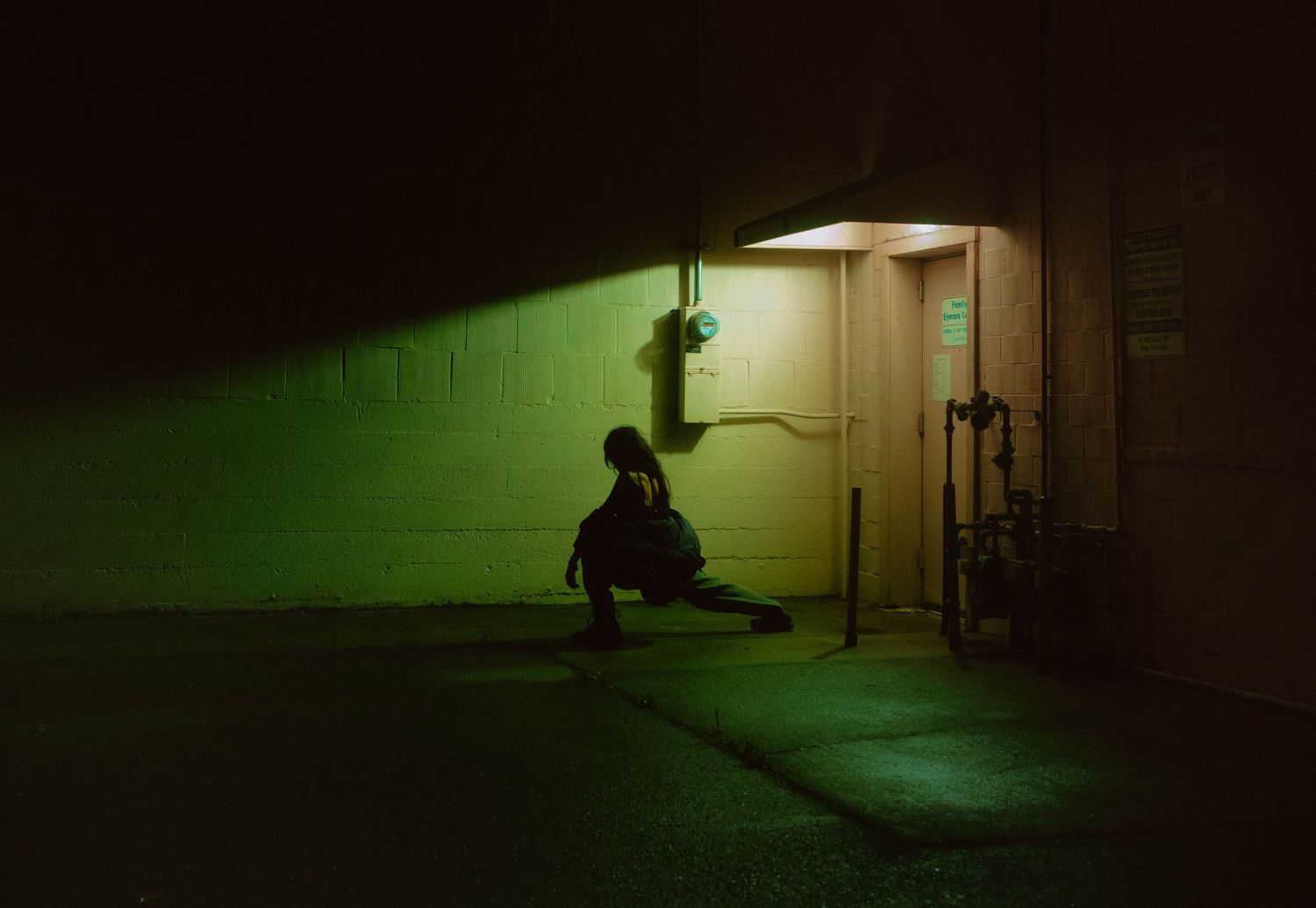
When I decided to pursue photography as a business, I found myself becoming increasingly interested in how to capture the in-between moments of movement.
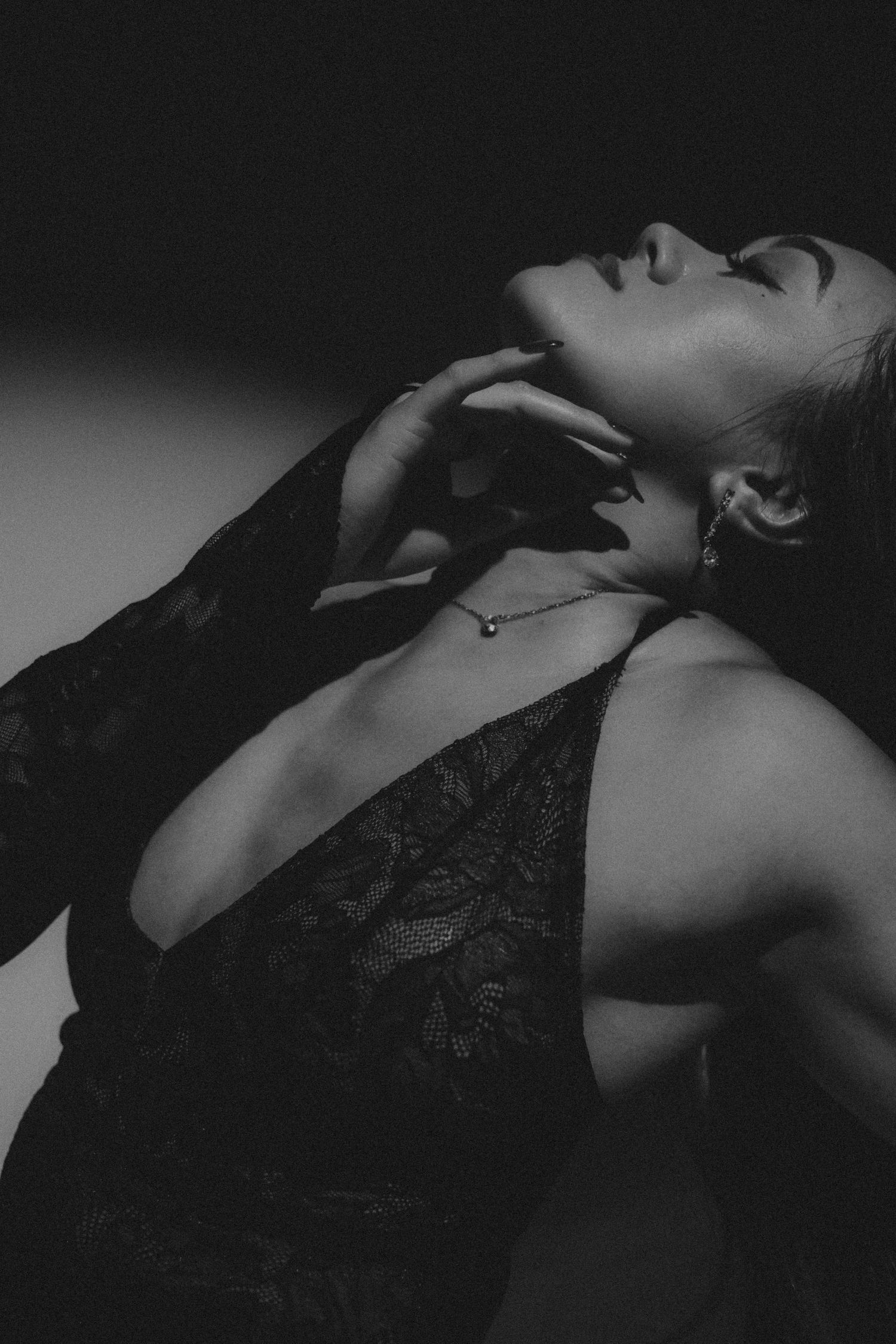
Not necessarily perfectly posed portraits, but the moments that happen naturally between direction and expression - the transition into motion, subtle changes in posture, body language, and the small moments that often communicate more than a pose ever could.
At that point in my life, I was also becoming more interested in holistic health practices, yoga, movement, and finding ways to create more balance in everyday life. I noticed that exercise and making yoga part of my routine had a positive effect on my mental wellbeing. It became less about fitness and more about creating time to slow down, reconnect, and become more aware of how movement affects the way we experience ourselves.
Looking back, I realize those interests influenced the way I approached photography more than I originally thought.
Before photography became my full focus, I worked as a daycare teacher. One of the biggest things I took from that experience was learning how to observe people without immediately directing them. Children don’t think about posing. They move naturally, express emotion openly, and interact with their environment in ways that feel genuine and unfiltered.
Being in that environment taught me to pay attention differently. I became interested in the moments that happen before people become aware of being photographed—the moments where personality naturally appears through movement, expression, and body language.
That perspective eventually carried into my photography style. Instead of focusing heavily on directing every pose, I became more interested in creating experiences that allow people to move naturally and interact with the camera in a way that feels authentic to them.
Over time, movement became one of the strongest themes in my work.
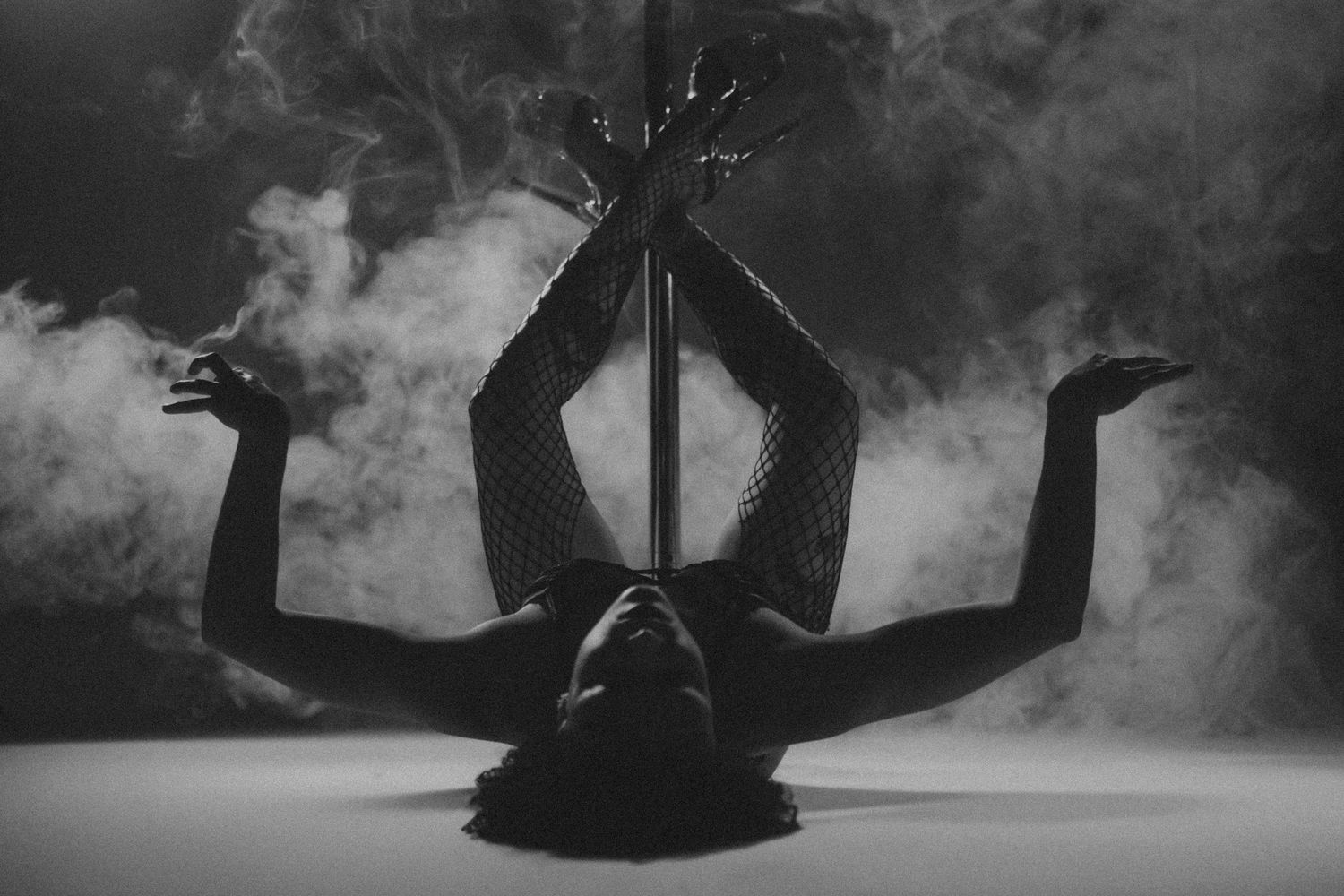
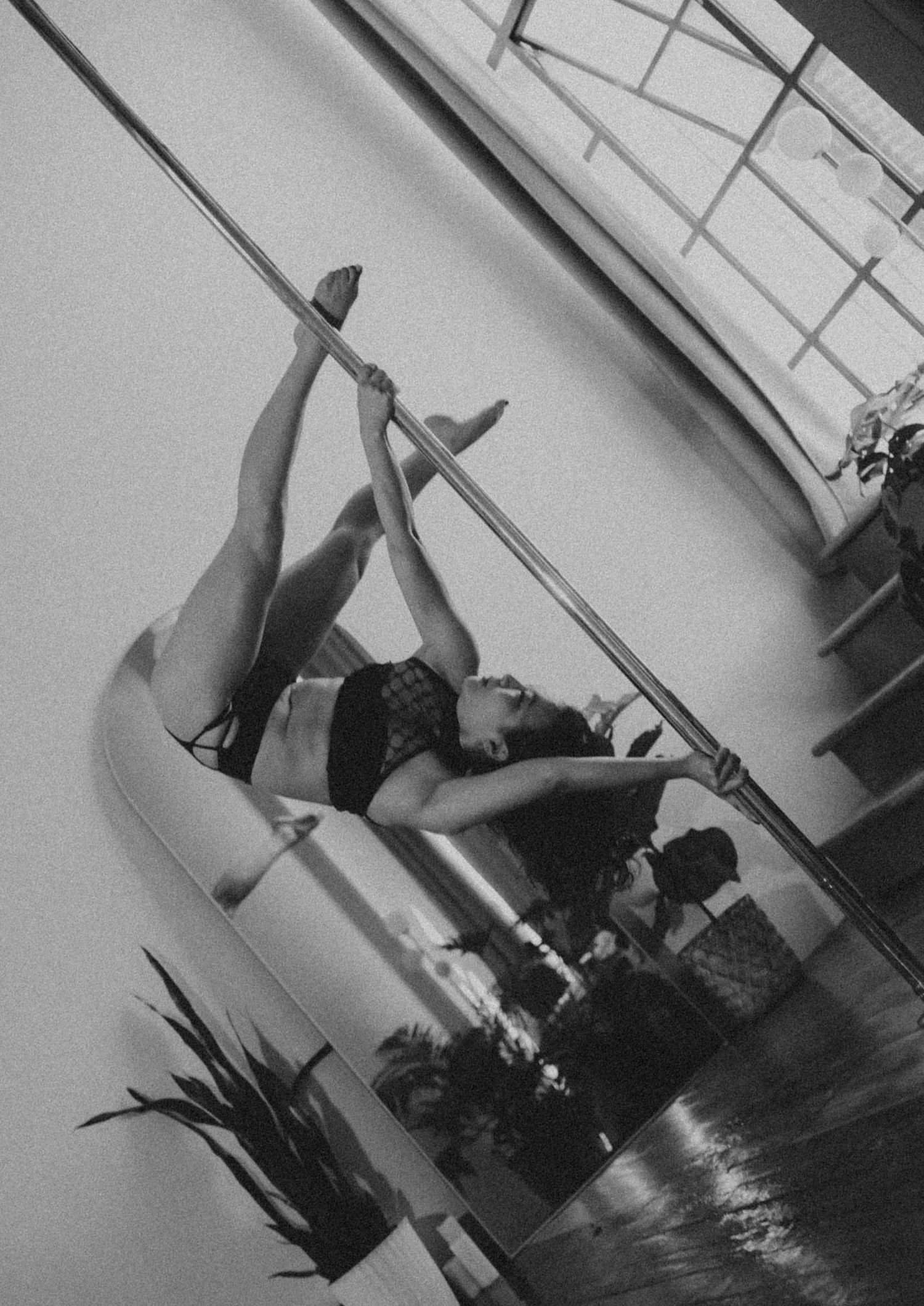
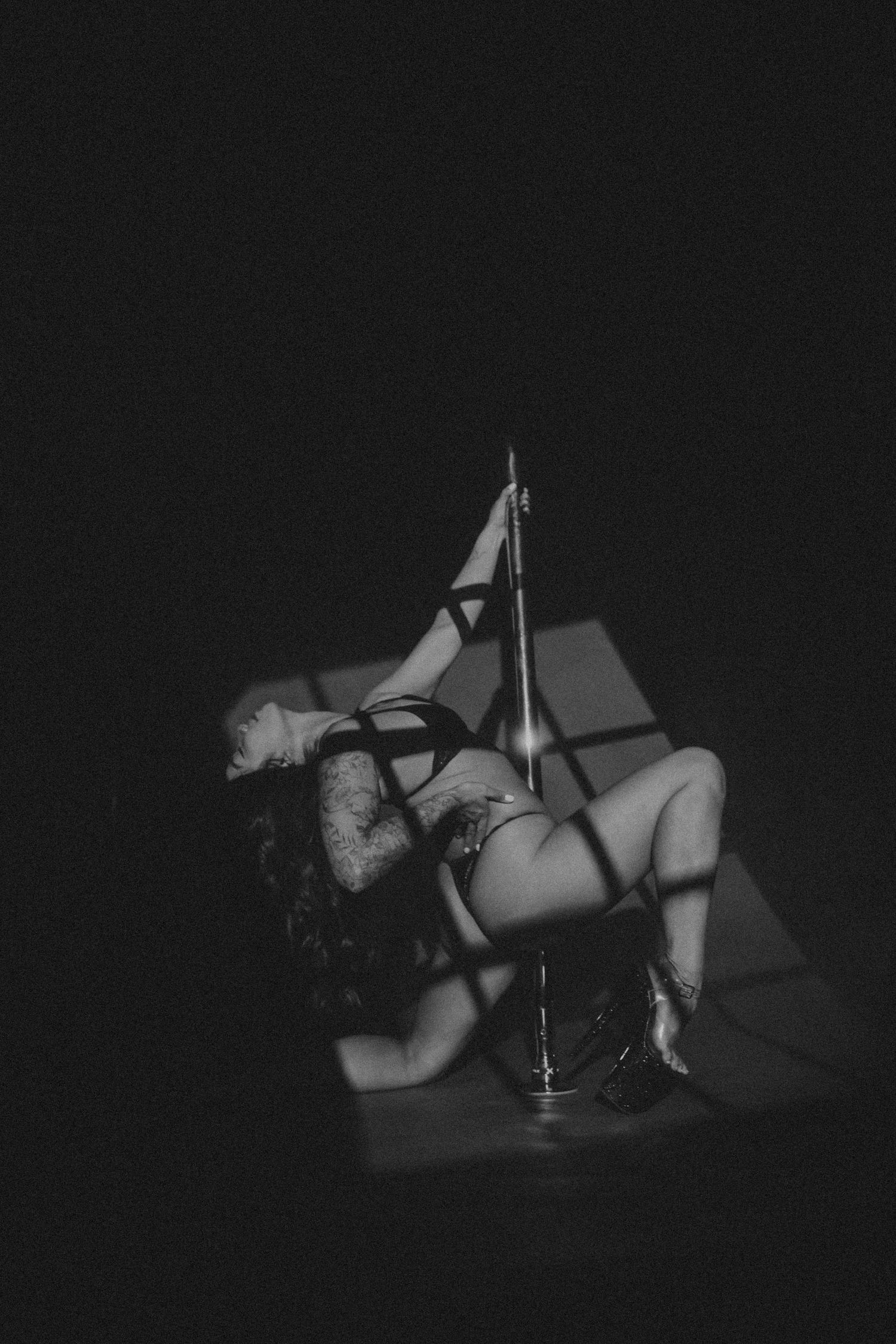
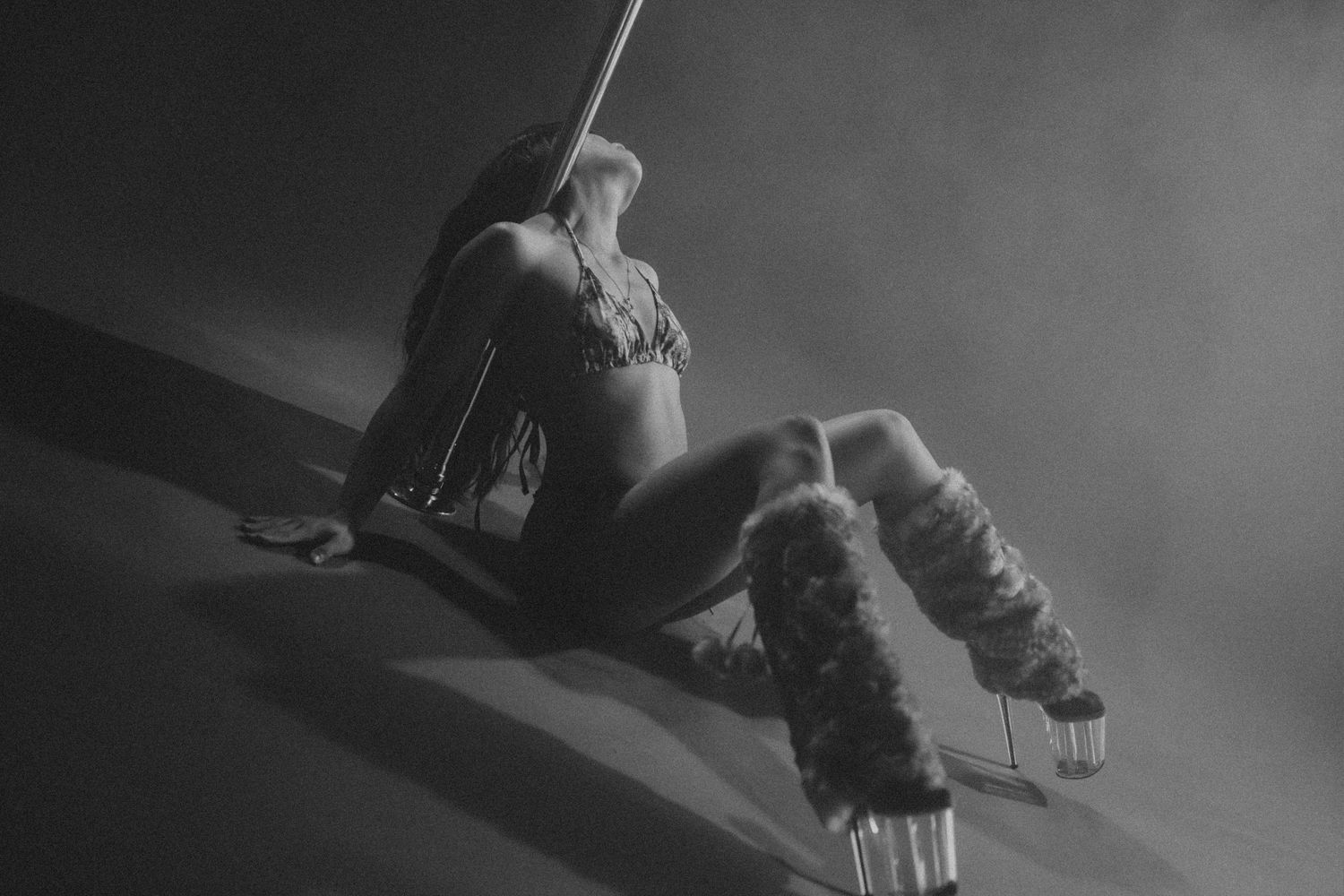
As my photography evolved, so did my relationship with movement. I explored yoga more intentionally, started dancing more regularly, and eventually found pole. One of the studios that became part of that journey for me was Rise Pole Fitness in Sacramento. Originally, I viewed pole as another form of movement practice. Over time, I realized it offered something beyond physical strength.
It became a creative outlet.
Pole introduced me to a different relationship with movement- one that wasn’t centered around productivity or performance but around expression, confidence, creativity, and being present.
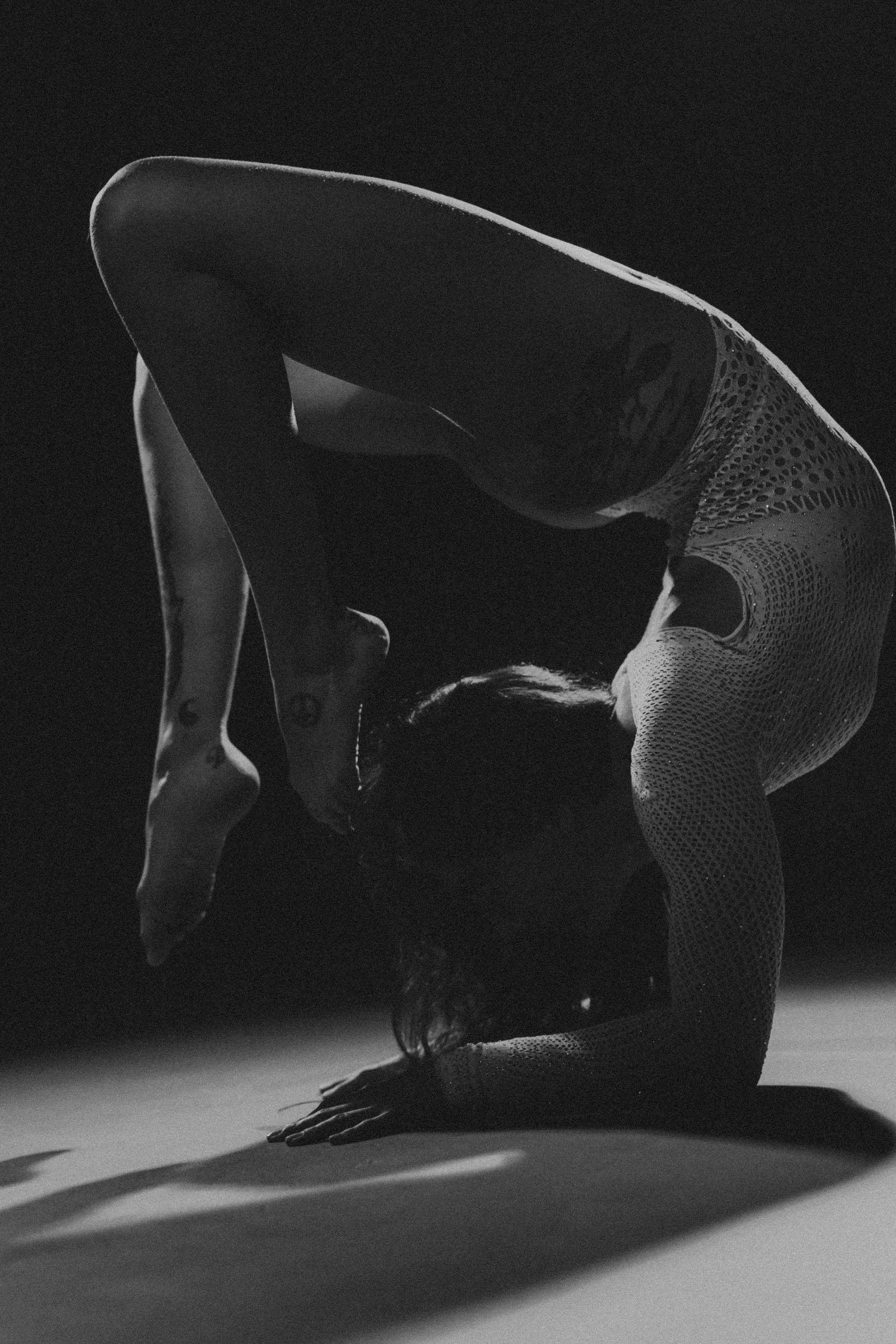
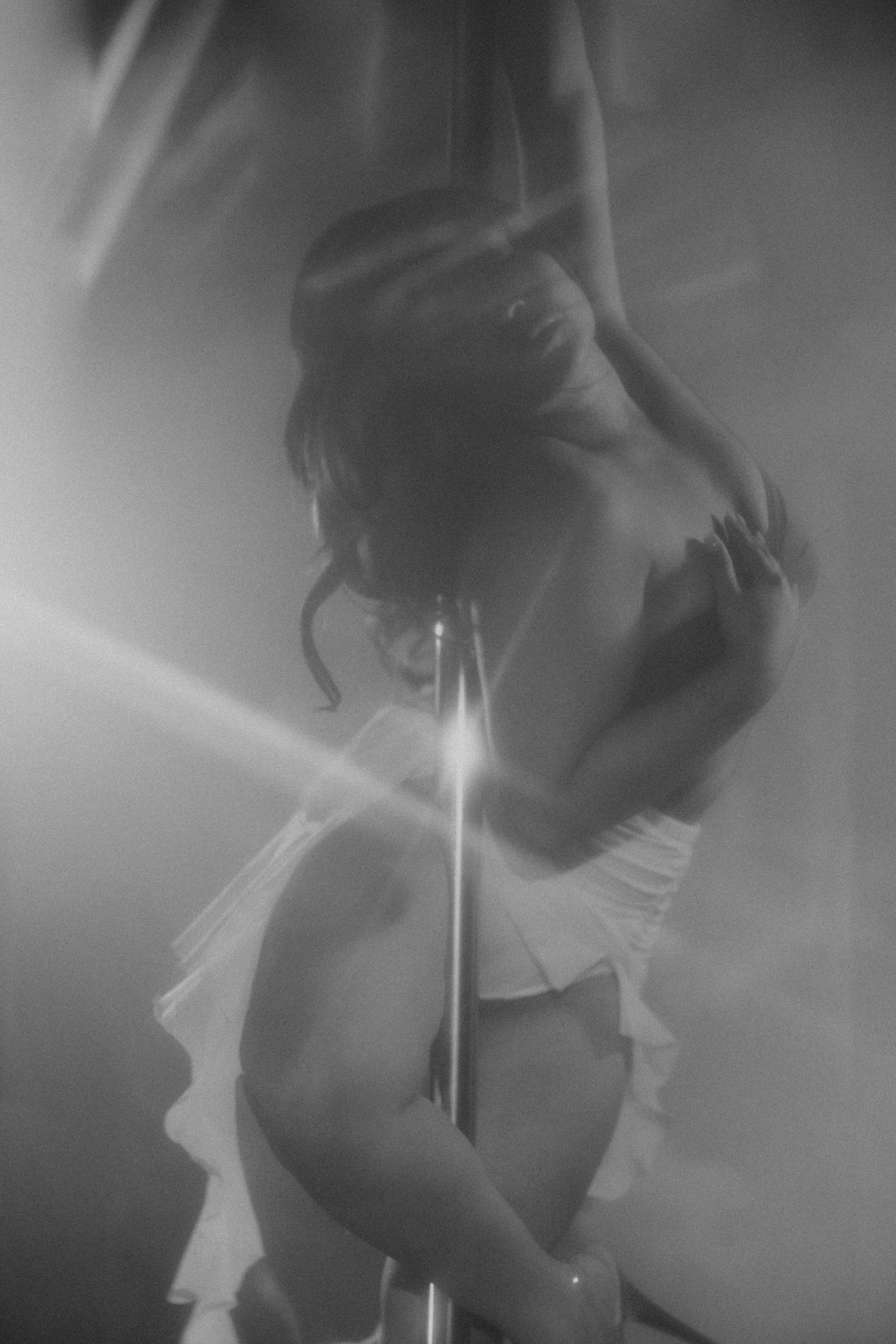
That experience shifted the way I viewed portrait photography. I became more interested in documenting how movement feels rather than simply documenting what movement looks like.
That mindset naturally led me toward movement photography, dance photography, and eventually incorporating elements of modern boudoir photography into my work.
WHY MOVEMENT-BASED PHOTOGRAPHY BECAME MY FAVORITE WAY TO CREATE
Movement-based photography has become one of my favorite ways to create because it encourages people to experience a session rather than perform for one.
Whether someone comes in for pole dance photography, creative portraits, dance photography, lifestyle portraits, or modern boudoir photography, movement creates opportunities for expression that can feel more natural than traditional posing.
It also allows people to shift attention away from questions like:
“What do I do with my hands?”
“Am I posing correctly?”
“Do I look awkward?”
And instead focus on:
How do I want to feel?
That shift often changes the entire experience.
People move differently when they stop trying to achieve a perfect image.
As I continued exploring movement through photography, I found myself becoming more drawn toward modern boudoir photography and portraits that embrace sensuality in a more intentional way.
To me, modern boudoir photography is less about creating overly stylized or performative images and more about creating space for people to connect with themselves.
Sensuality can mean confidence. It can mean softness. It can mean strength. It can mean becoming more aware of your body and allowing yourself to exist without needing to constantly critique or adjust.
When combined with movement, modern boudoir photography becomes less focused on appearance and more focused on experience.
One of the reasons why I continued moving in this direction creatively is because I’ve personally experienced the positive effect movement can have on mental wellbeing.
Movement practices like yoga, dance, pole, and intentional exercise can encourage mindfulness, self-expression, confidence, and body awareness.
While photography itself isn’t a replacement for mental health support, I do think movement portrait experiences can create opportunities for people to reconnect with themselves in meaningful ways.
That’s something I continue to value in my work.
As I continue developing my photography style, I find myself wanting to create more movement-based portrait sessions, modern boudoir photography experiences, dance photography, and spaces that allow people to feel expressive, creative, and present.
Because sometimes the moments that tell the strongest story aren’t the posed ones.
They’re the ones happening in between.